


- NEW ARRIVALS
-
SALES
- Popular BrandsCetaphilColgateDettolDoveEgo QVGuardianGilletteKloranceKotexKundalMore ...
- Health Supplement
- Popular BrandsCetaphilColgateDettolDoveEgo QVGuardianGilletteKloranceKotexKundalMore ...
Healthy Food ProductsNew- Popular BrandsCetaphilColgateDettolDoveEgo QVGuardianGilletteKloranceKotexKundalMore ...
- Mom & Baby
- Kids
- Personal Care
- Popular BrandsCetaphilColgateDettolDoveEgo QVGuardianGilletteKloranceKotexKundalMore ...
- Skincare
-
Popular BrandsCetaphilColgateDettolDoveEgo QVGuardianGilletteKloranceKotexKundalMore ...
- First Aid
- OTC Medicine
- Popular BrandsCetaphilColgateDettolDoveEgo QVGuardianGilletteKloranceKotexKundalMore ...
- Rehab
- Popular BrandsCetaphilColgateDettolDoveEgo QVGuardianGilletteKloranceKotexKundalMore ...
- Prescription Medicine
- All Products
Why Do I Keep Waking Up at 3AM? Hidden Causes of Insomnia

What Is Insomnia?
Insomnia is a common sleep disorder where you struggle to fall asleep, stay asleep, or wake up too early and can’t get back to sleep. It affects both sleep quality and daily functioning.
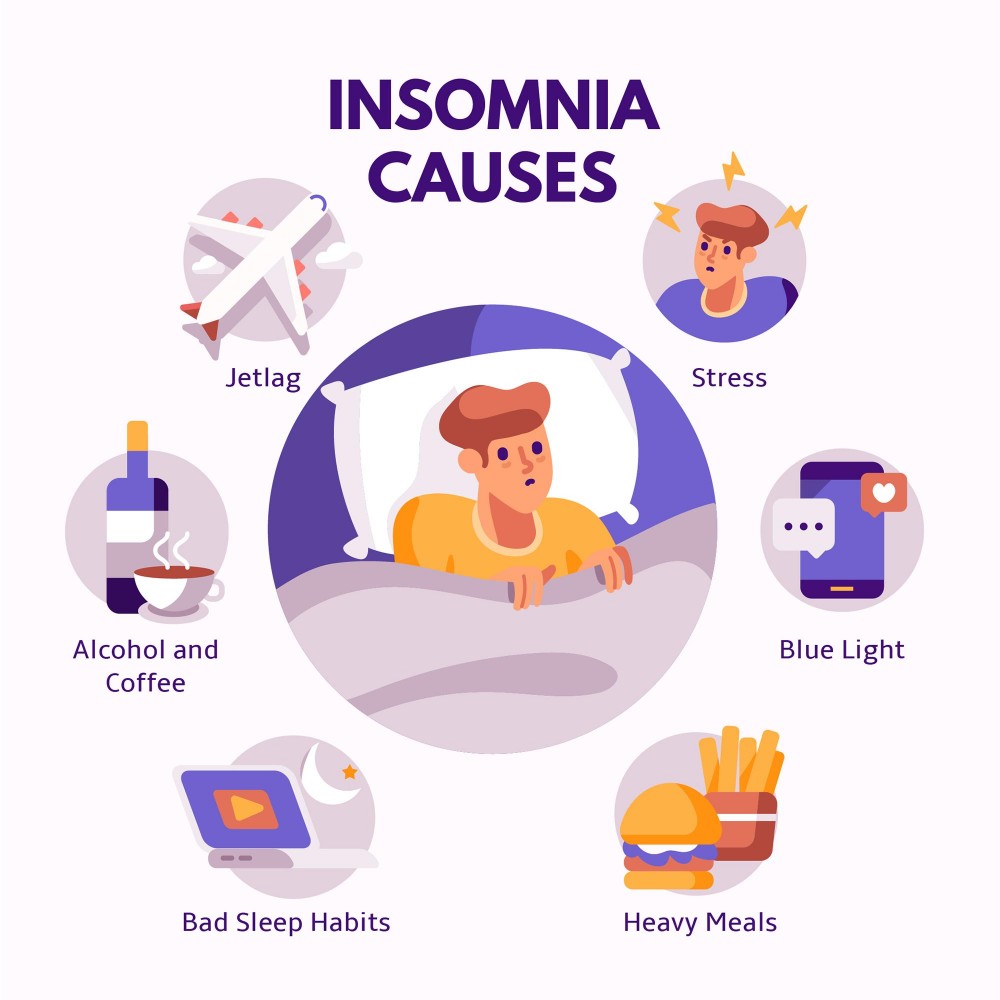
Why You Might Be Lying Awake at 3AM?
1. Stress & Mental Health
- Chronic stress, anxiety, and depression keep your brain alert at night. The more you worry, the harder it is to “switch off.”
2. Circadian Rhythm Disruption
- Your body has a natural sleep-wake cycle (circadian rhythm). Travel, shift work, or irregular sleep times can disrupt it, making middle-of-the-night wakefulness more common.
3. Poor Sleep Habits
- Using phones or laptops before bed, irregular sleep schedules, eating heavy meals close to bedtime, or having caffeine late in the day can joltage your nervous system and make sleep less restorative.
4. Medical & Sleep Disorders
- Insomnia often co-occurs with other conditions including sleep apnea (where breathing stops briefly during sleep), restless legs, chronic pain, GERD, asthma, or hormonal imbalances.
Signs & Symptoms of Insomnia
You may be experiencing insomnia if you notice:
- Difficulty falling asleep or sleeping through the night.
- Waking at 3AM and unable to return to sleep.
- Feeling tired in the morning despite being in bed long enough.
- Daytime fatigue, poor concentration, irritability.
- Brain fog, mood swings, and lower productivity.

High-Risk Factors That Increase Insomnia
You’re more likely to suffer from insomnia if you’re:
✔ Under high stress.
✔ Working irregular hours.
✔ Older adults (sleep cycles naturally shift).
✔ Women (hormonal changes with periods, pregnancy, menopause).
✔ Using stimulants late in the day.
✔ Living with anxiety or depression.

How to Prevent & Improve Your Sleep
1. Build a Bedtime Routine
- Go to bed and wake up at the same time every day, even on weekends. This strengthens your internal clock.
2. Cut Screen Time Before Bed
- Phones and laptops emit blue light that suppresses melatonin (your sleep hormone chart). Turning them off 1–2 hours before sleep helps calm your nervous system.
3. Be Mindful With Food & Drink
- Avoid heavy meals, caffeine, nicotine, and alcohol close to bedtime. A light snack that won’t cause indigestion is okay.
4. Wind Down With Relaxation Activities
- Deep breathing
- Light stretching
- Warm bath to lower stress hormones before sleep.
5. Optimize Your Bedroom
- Make your bedroom cool, dark, and quiet — only use the bed for sleep and intimacy, not work or scrolling.

Supplements That May Help:
1. Ashwagandha
- Helps lower cortisol (stress hormone).
- Supports a calmer mind and emotional balance.
- Useful for people under work pressure, mental stress, or burnout.
2. Vitamin D
-
Adequate vitamin D levels may be linked to better sleep quality.
-
Supports overall health, though research on sleep benefits is still ongoing.
3. Magnesium & Vitamins B (e.g., B6)
- Commonly included in sleep-support formulas.
- Magnesium helps relax muscles and calm the nervous system.
- Vitamins B support nerve function and energy balance.
4. L - Theanine
- Promotes relaxation before bedtime.
- Helps improve sleep quality, especially for light sleepers.
- Encourages calmness without causing drowsiness.
5. Chamomile Tea
- Helps relax the mind and body before bedtime
- Supports deeper, more restful sleep
- Suitable for people with difficulty falling asleep or light sleep
Supplements are supportive, but the foundation of sleep health is still lifestyle and sleep hygiene.
Long-Term Risks of Chronic Insomnia
Getting insufficient sleep over months or years isn’t just fatigue — it can seriously affect health:
1. Cardiovascular Disease & Hypertension
- Chronic poor sleep has been linked with ↑ risk of high blood pressure, heart attack, and stroke.
2. Mental Health Disorders
- Insomnia can worsen or contribute to anxiety, depression, and mood disorders.
3. Cognitive Decline & Memory Problems
- Sleep helps clear brain toxins. When this process is disrupted over the long term, cognitive performance may decline and the brain may age faster.
4. Accidents & Reduced Performance
- Sleep-deprived individuals are more prone to accidents, poor focus, and reduced productivity.
5. Metabolic & Immune Effects
If you’re consistently waking up at 3AM and can’t get back to sleep, it’s often more than “just stress” — it reflects patterns in your body clock, habits, and overall health. Understanding what’s behind those sleepless nights is the first step to fixing them.
If you feel the signs, don’t hesitate to contact us or visit your nearest HTM Pharmacy outlet for personalised support.
HTM Pharmacy — It’s Health That Matters.

![BIOFIZZ Magnesium Bisglycinate (30's x 2) [Magnesium Glycinate/Magnesium Supplement/镁]](site_media/img/12942-00139465_L_1_1792556063087.jpg "BIOFIZZ Magnesium Bisglycinate (30's x 2) [Magnesium Glycinate/Magnesium Supplement/镁]")


Let's keep in touch
Subscribe for our latest news and be the first to know about our offers.


