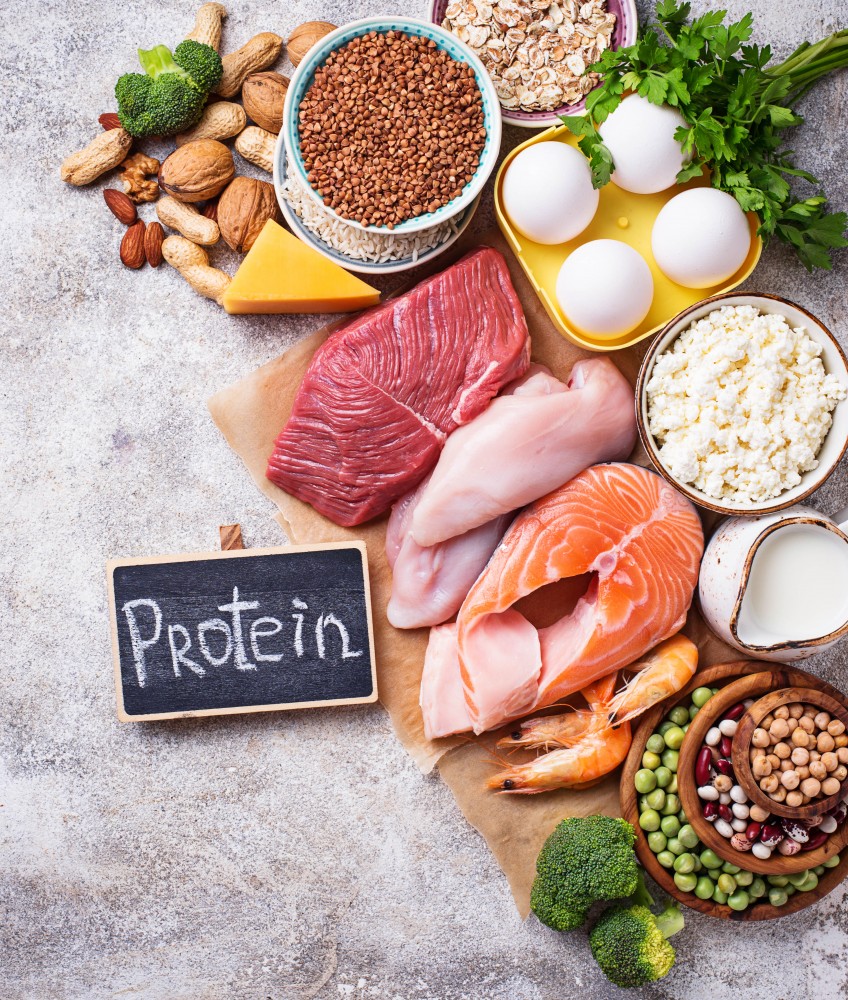
For many years, dietary recommendations focused mainly on preventing nutrient deficiencies. Protein intake guidelines were designed to represent the minimum amount needed to avoid deficiency, rather than the optimal amount required for long-term health.
However, modern lifestyles and health challenges have changed significantly.
Today, many adults experience:
As a result, simply meeting the minimum protein requirement may no longer be sufficient for many individuals.
Modern nutrition research now emphasizes muscle health, metabolic function, and physical performance as key pillars of healthy aging — and protein plays a central role in all three.
Rather than asking,
【How little protein do we need to survive?】
the focus has shifted to:
【How much protein do we need to stay strong, active, and healthy over time?】

The Role of Protein in the Body
Protein supports more than muscle building. It is essential for:
As adults age, the body becomes less efficient at utilizing dietary protein. This means adequate intake becomes increasingly important to maintain physical function and overall well-being.
Maintaining sufficient protein intake is part of preventive health care. Balanced nutrition supports strength, recovery, and daily functioning, particularly in middle-aged and older adults.
Individual nutritional requirements may vary based on age, lifestyle, and health condition. For appropriate guidance, please consult a healthcare professional.
———————————————————————————————————————————————————————————
New 2025 - 2030: Government Dietary Guidelines
New U.S. dietary guidelines have been announced, alongside a redesigned food pyramid. The updated model shifts away from the previous MyPlate visual and reintroduces the pyramid, this time inverted.
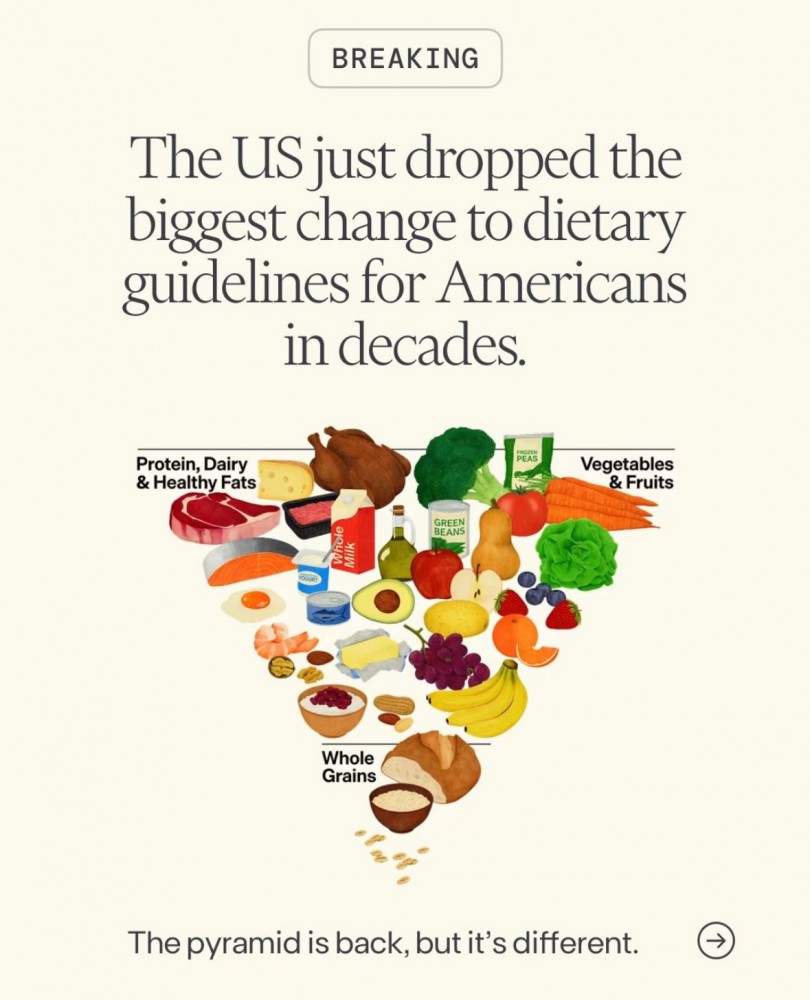
The latest guideline was recently launched in the US. Protein is the key in our healthy diet.
For many years, the commonly referenced protein intake was 0.8 g per kilogram of body weight per day. This recommendation was established to prevent protein deficiency, not necessarily to support optimal muscle strength, recovery, or long-term physical function.
As nutrition science has evolved, researchers now recognise that adult health involves more than simply “avoiding deficiency.” Maintaining muscle mass, supporting metabolism, and preserving physical independence have become key priorities — especially in modern lifestyles.
Based on newer nutrition evidence, many experts now suggest a higher intake range for adults:
1.2–1.6 g of protein per kilogram of body weight per day

This level may help support:
Example:
50 kg adult: 60–80 g/day
60 kg adult: 72–96 g/day
70 kg adult: 84–112 g/day
Actual protein needs may vary depending on:
- Age
- Physical activity level
- Work demands
- Overall health condition
This is why protein intake should be viewed as personalised, rather than one-size-fits-all..
——————————————————————————————————————————————————————————
Protein Distribution Matters
Protein intake is not only about how much you eat — how you take it matters too.
Many adults consume the majority of their protein at dinner, while breakfast and lunch contain very little. This uneven pattern may limit the body’s ability to stimulate muscle repair and maintenance throughout the day.
Research suggests that spreading protein intake more evenly helps support muscle protein synthesis more effectively.
A balanced daily approach includes:
1. Including protein at each main meal
2. Moderate, consistent portions
Combining protein with vegetables, fruits, and whole foods
For example:
A)Breakfast: eggs, milk, yogurt, soy drink
B)Lunch: poultry, fish, tofu, legumes
C)Dinner: balanced protein with vegetables
Small adjustments at earlier meals can make a meaningful difference over time.

Choosing Suitable Protein Sources
A variety of protein sources can be included in daily meals, such as:
Including diverse protein sources helps ensure:
For individuals who struggle to meet daily needs through food alone — due to poor appetite, busy schedules, or aging — nutritional supplements may sometimes play a supportive role when used appropriately under professional guidance.
——————————————————————————————————————————————————————————
Protein Intake Is a Long-Term Health Investment
Protein is not only important for athletes or gym-goers. It plays a critical role in everyday health — supporting strength, immunity, recovery, and functional independence as we age.
Meeting daily protein needs consistently, rather than occasionally, helps build a strong foundation for long-term well-being.
Small changes in daily protein intake can lead to meaningful improvements over time.
If you are unsure whether your current intake is suitable, speak to our pharmacist today for personalised advice.
HTM Pharmacy • It’s Health That Matter


Subscribe for our latest news and be the first to know about our offers.


