Crohn’s & Colitis Awareness: What Happens Inside a Body You Cannot See

|
HTM Pharmacy


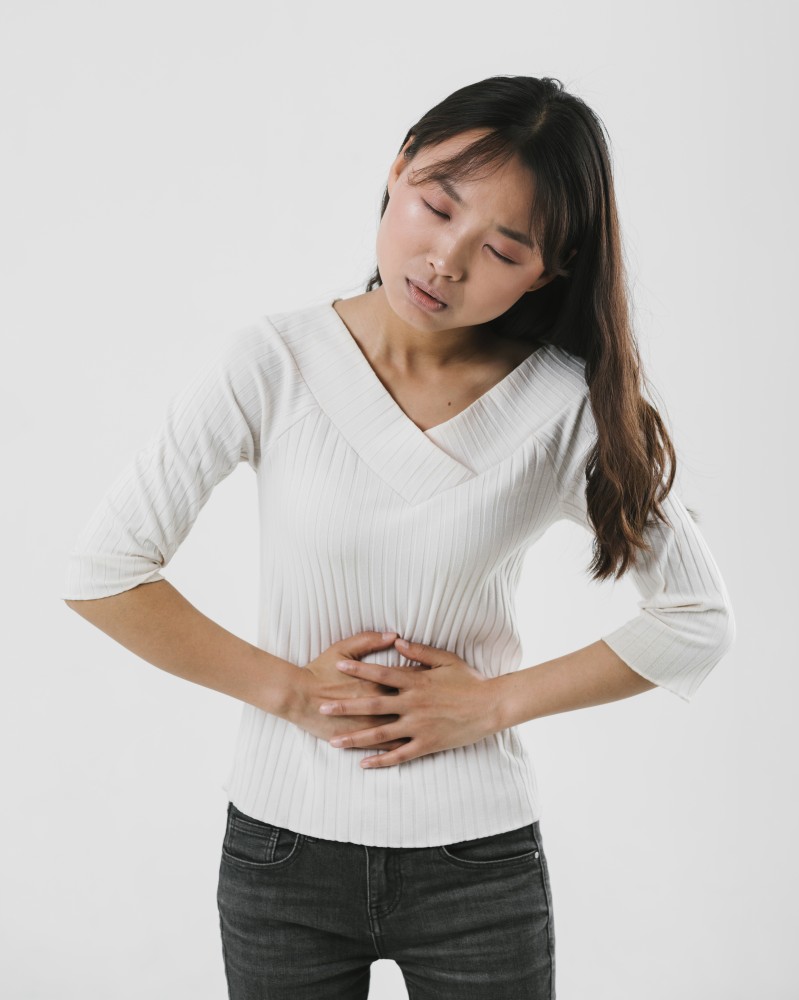
“If someone stomach hurts every day, but they still show up to school, work, or family gatherings—does anyone truly notice?”


Every year, millions of people live with invisible pain, silently fighting conditions that rarely show on the outside but disrupt their lives on the inside: Crohn’s disease and Ulcerative Colitis.

These conditions don’t come with bandages, casts or visible wounds.
Instead, they come with:

  • Sudden stomach cramps that feel like knives twisting

  • Urgent runs to the toilet—sometimes 10–20 times a day

  • Exhaustion so deep that even getting out of bed feels like climbing a mountain

  • Fear of eating because food may trigger another flare

  • Anxiety from not knowing when the next painful episode will strike

This is the silent world of Inflammatory Bowel Disease (IBD)—a world far more common than most people realise.


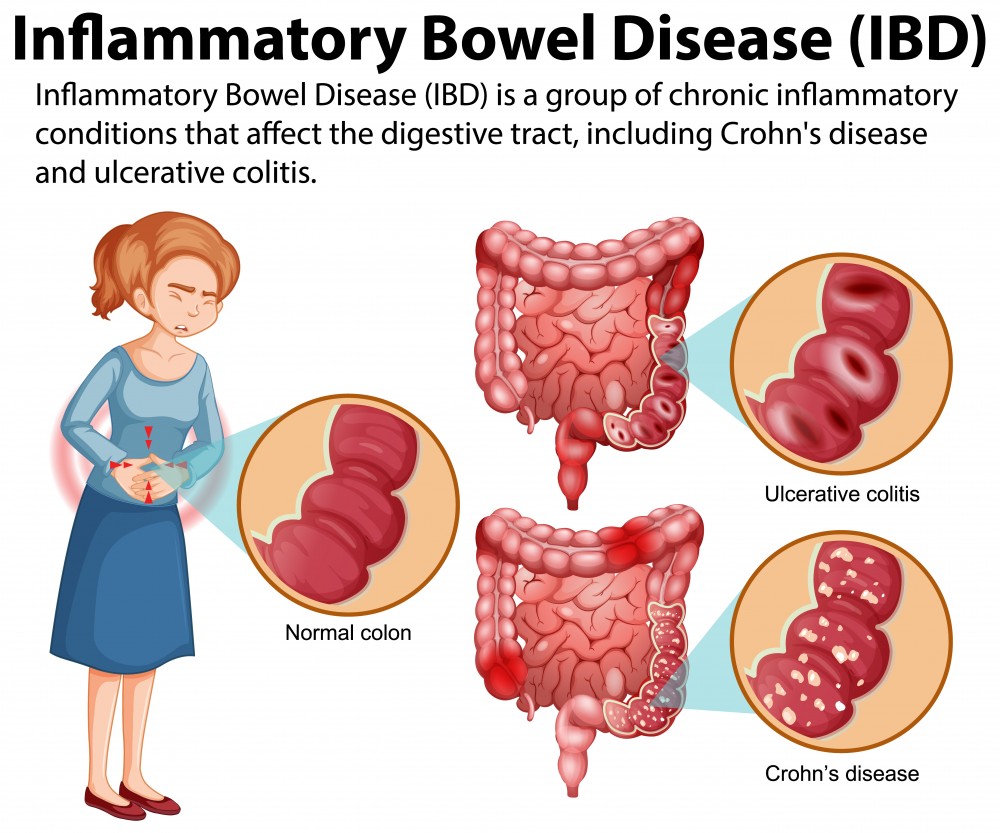
What Exactly Are Crohn’s & Colitis?

1. Crohn’s Disease

  • A chronic condition where inflammation can occur anywhere along the digestive tract, from mouth to anus. This inflammation is deep and can affect every layer of the gut

 2.Ulcerative Colitis (UC)

  • Inflammation occurs specifically in the colon and rectum, causing ulcers and continuous bloody diarrhoea.

Together, these conditions form IBD – Inflammatory Bowel Disease.

Not to be confused with IBS (Irritable Bowel Syndrome), which does not cause gut damage.


The Hidden Reality People Don’t See

Most people assume:

“It’s just stomach pain.”

But for IBD patients, the reality is far heavier:
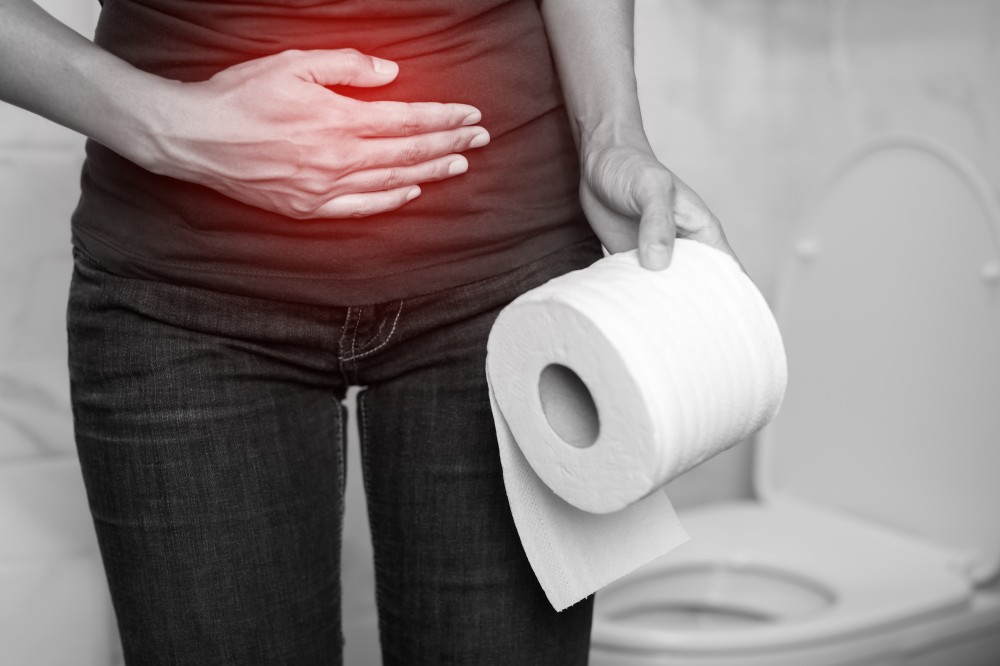


The Body

  • Severe diarrhoea

  • Rectal bleeding

  • Bloating and cramping

  • Weight loss and malnutrition

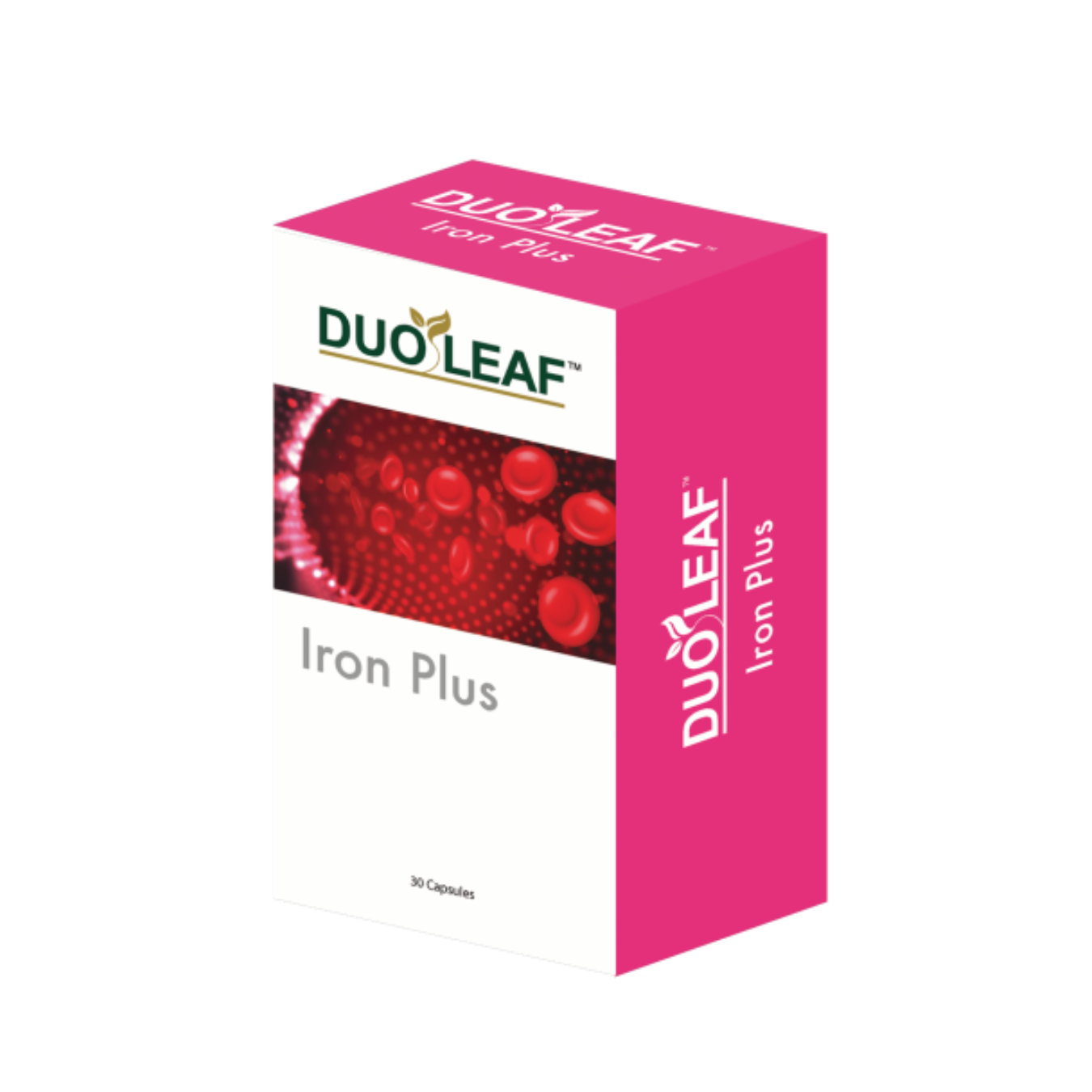
  • Iron deficiency (from chronic blood loss)

  • Joint pain

  • Skin and eye inflammation

  • Fever during flare-ups

The Mind

  • Anxiety about leaving home

  • Embarrassment from urgent toilet needs

  • Fear of eating in public

  • Depression from chronic illness

  • Feeling misunderstood because “you look fine”

The Social Life

  • Cancelling plans last-minute

  • Avoiding travel

  • Difficulty in school or work

  • Feeling isolated

Crohn’s and colitis don’t just affect the stomach—they affect life, every single day.


Why Does IBD Happen? 

Experts still don’t know the full cause, but they do know four major factors:

1. Immune System Malfunction

The immune system mistakenly attacks the digestive tract, thinking it’s fighting an enemy.


2. Genetics

Over 200 genes have been linked to IBD.
If a parent has IBD, the child has a higher risk.


3. Environment & Lifestyle

Certain factors increase risk:

  • Smoking

  • High-fat processed diets

  • Frequent antibiotic use

  • Stress

  • Urban living with less bacterial diversity (hygiene hypothesis)

4. Gut Microbiome Imbalance

IBD patients often have:

  • Lower “good” bacteria

  • Higher inflammation-causing bacteria

  • Reduced microbial diversity

This imbalance can trigger flare-ups.


Early Warning Signs You Should Never Ignore

Many people live for years without diagnosis because they think symptoms are “normal.”
If you experience these repeatedly, you should seek medical help:

✓ Persistent diarrhoea
✓ Sudden severe abdominal pain
✓ Blood or mucus in stool
✓ Unexplained weight loss
✓ Fatigue even after sleeping
✓ Loss of appetite
✓ Fever during flare-ups

Early diagnosis can protect your gut from long-term damage.


Prevention & Improvement

While Crohn’s and Colitis can’t be fully prevented, you can lower your risk of flare-ups and protect your gut with a few daily habits: 

1. Strengthen Your Gut

  • Eat more fibre during remission

  • Add yogurt or fermented foods

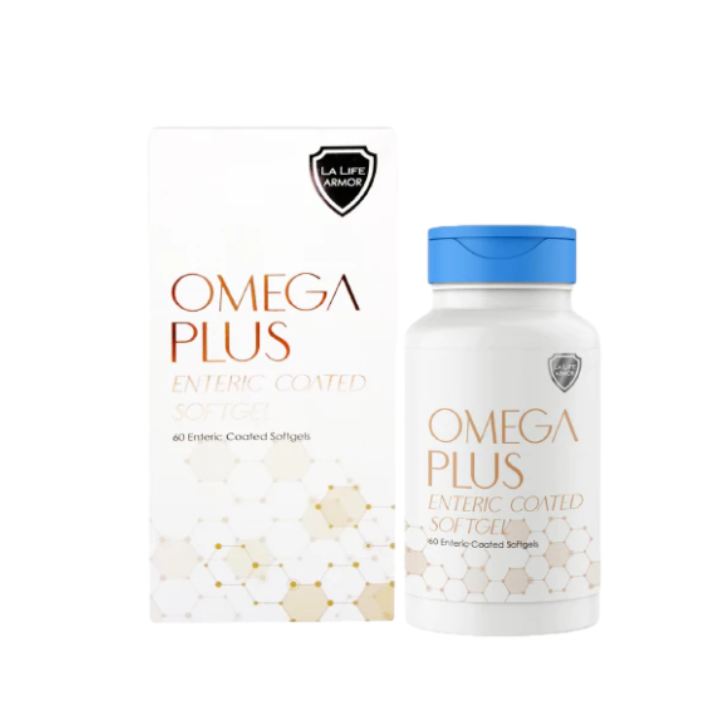
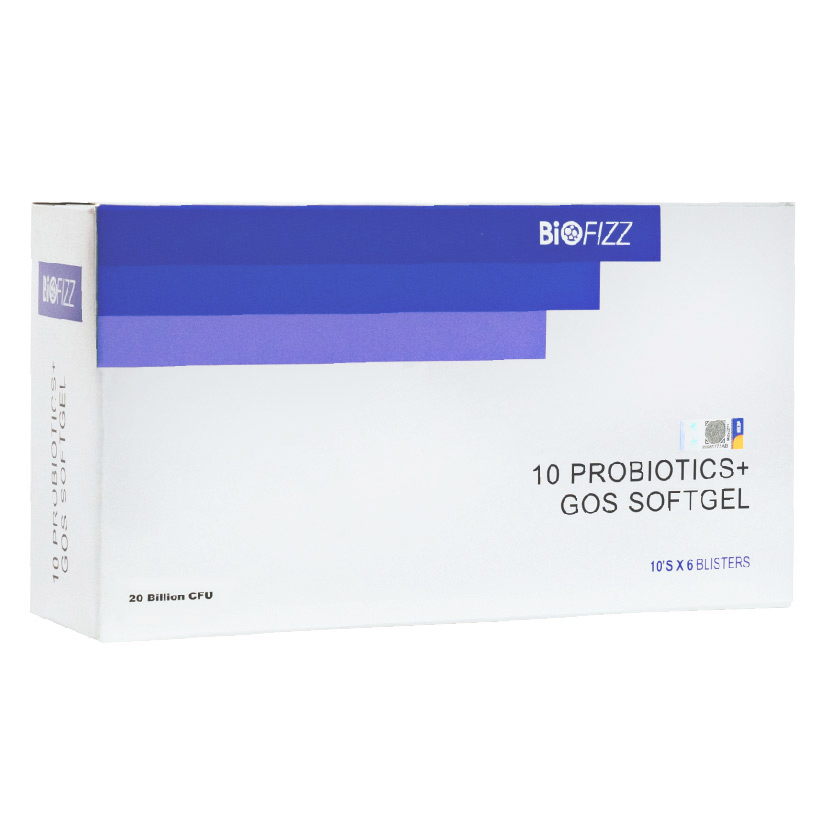
  • Take probiotics or omega-3 if recommended

2. Avoid Common Trigger Foods

  • Spicy, oily, dairy, caffeine, alcohol

  • Keep a simple food diary to track what upsets your stomach

3. Manage Stress

  • Deep breathing, light exercise, or short walks

  • Stress doesn’t cause IBD, but it makes symptoms worse

4. Don’t Smoke

  • Smoking is one of the biggest triggers for Crohn’s disease. Quitting helps reduce inflammation quickly.

5. Maintain Gut-Friendly Habits

  • Drink more water

  • Eat smaller, frequent meals

  • Sleep well and stay active

Severe Cases

Some patients may require surgery to remove damaged portions of the intestine.


Why Crohn’s & Colitis Awareness Matters

  • Many people suffer in silence

  • Misconceptions lead to stigma

  • Early detection prevents long-term damage

  • Awareness encourages better support in workplaces, schools, and families

  • Research funding increases with public knowledge

  • Lives can be improved, even saved

Awareness can turn invisible pain into visible compassion.

Crohn’s and Colitis can feel overwhelming, especially when the symptoms are invisible to others. But you don’t have to manage it alone.

If you feel the signs, don’t hesitate to contact us or visit your nearest HTM Pharmacy outlet for personalised support.


Sorry, this item is out of stock.
This item has been saved to your wishlist.


View My Wishlist Continue Shopping