


- NEW ARRIVALS
-
SALES
- Popular BrandsCetaphilColgateDettolDoveEgo QVGuardianGilletteKloranceKotexKundalMore ...
- Health Supplement
- Popular BrandsCetaphilColgateDettolDoveEgo QVGuardianGilletteKloranceKotexKundalMore ...
Healthy Food ProductsNew- Popular BrandsCetaphilColgateDettolDoveEgo QVGuardianGilletteKloranceKotexKundalMore ...
- Mom & Baby
- Kids
- Personal Care
- Popular BrandsCetaphilColgateDettolDoveEgo QVGuardianGilletteKloranceKotexKundalMore ...
- Skincare
-
Popular BrandsCetaphilColgateDettolDoveEgo QVGuardianGilletteKloranceKotexKundalMore ...
- First Aid
- OTC Medicine
- Popular BrandsCetaphilColgateDettolDoveEgo QVGuardianGilletteKloranceKotexKundalMore ...
- Rehab
- Popular BrandsCetaphilColgateDettolDoveEgo QVGuardianGilletteKloranceKotexKundalMore ...
- Prescription Medicine
- All Products
PCOS (Polycystic Ovary Syndrome): Symptoms, Causes & Treatment
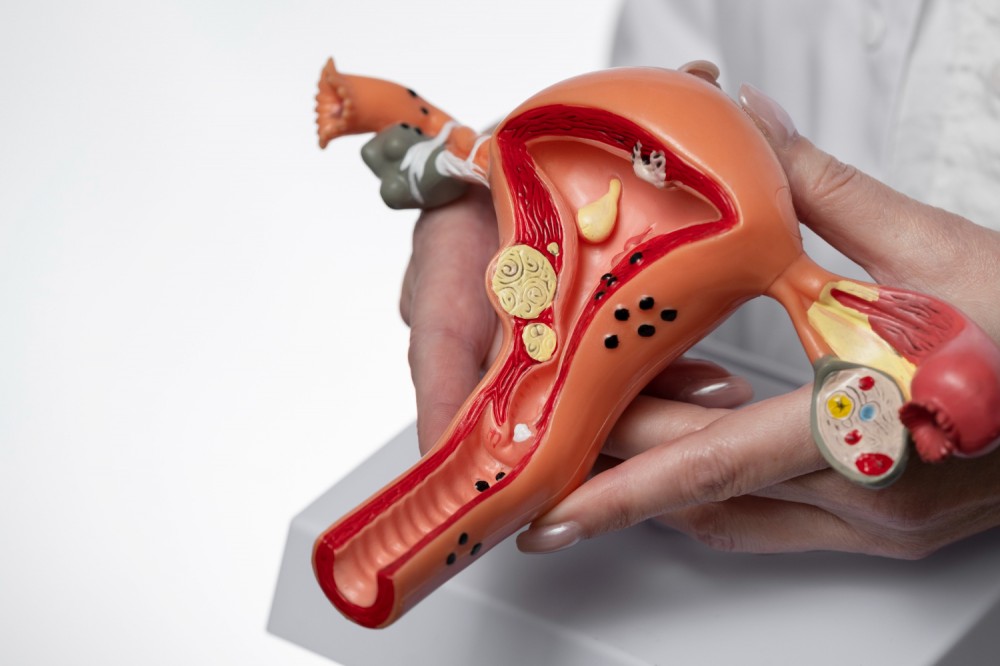
Polycystic Ovary Syndrome (PCOS) or now known as Polyendocrine Metabolic Ovarian Syndrome (PMOS) is one of the most common hormonal disorders affecting women of reproductive age. In Malaysia and around the world, many women experience symptoms such as irregular periods, acne, weight gain, or difficulty getting pregnant without realizing that PCOS may be the underlying cause.
The good news is that PCOS/PMOS can be effectively managed with early diagnosis, healthy lifestyle changes, and appropriate medical treatment. Understanding the condition is the first step towards improving your overall health and fertility.
What is PMOS?
Polyendocrine metabolic ovarian syndrome (PMOS) — formerly known as polycystic ovary syndrome (PCOS) is a hormonal imbalance that occurs when your ovaries (the organ that produces and releases eggs) create excess hormones. If you have PMOS, your ovaries produce unusually high levels of hormones called androgens. This causes your reproductive hormones to become imbalanced. As a result, people with PMOS often have irregular menstrual cycles, missed periods and unpredictable ovulation. Small follicle cysts (fluid-filled sacs with immature eggs) may be visible on your ovaries on ultrasound due to lack of ovulation (anovulation). However, you dont need to have cysts on your ovaries to have PMOS.
PMOS Symptoms
The symptoms of PMOS vary from person to person. Some women experience only mild symptoms, while others may have several noticeable signs.
Common PMOS symptoms include:
- Irregular, infrequent, or absent menstrual periods
- Difficulty becoming pregnant due to irregular ovulation
- Excess facial or body hair (hirsutism)
- Persistent acne or oily skin
- Hair thinning or hair loss
- Weight gain or difficulty losing weight
- Darkened skin around the neck, armpits, or groin
- Multiple small follicles seen on ovarian ultrasound
If you have irregular periods together with acne, excessive hair growth, or unexplained weight gain, it is advisable to consult a doctor for further evaluation.
What Causes PMOS?
The exact cause of PMOS is still unknown, but several factors are believed to contribute.
-
Hormonal Imbalance
Higher androgen levels interfere with normal ovulation, resulting in irregular menstrual cycles and other symptoms.
-
Insulin Resistance
Many women with PMOS also have insulin resistance, meaning their bodies do not use insulin efficiently. This causes the body to produce more insulin, which can further increase androgen production.
Insulin resistance may also increase the risk of:
- Type 2 diabetes
- High cholesterol
- Fatty liver disease
- Obesity
-
Genetics
PMOS often runs in families. If your mother or sister has PMOS, your risk of developing the condition may be higher.
How is PMOS Diagnosed?
Doctors diagnose PMOS based on medical history, symptoms, physical examination, blood tests, and sometimes an ultrasound scan.
According to the internationally accepted Rotterdam Criteria, a diagnosis of PMOS is made when at least two of the following are present:
- Irregular or absent ovulation
- High androgen levels (shown by symptoms or blood tests)
- Polycystic ovaries on ultrasound
Your doctor may also perform additional blood tests to exclude other hormonal conditions with similar symptoms.
PMOS Treatment in Malaysia
There is currently no cure for PMOS, but treatment focuses on managing symptoms and reducing long-term health risks.
-
Lifestyle Changes
Lifestyle modification is the first-line treatment recommended by healthcare professionals.
These include:
- Following a balanced diet rich in vegetables, fruits, lean protein, and whole grains
- Limiting sugary drinks and highly processed foods
- Exercising for at least 150 minutes each week
- Maintaining a healthy body weight
Research shows that losing just 5–10% of body weight may improve hormone balance, menstrual regularity, and fertility in women who are overweight.
-
Medications
Depending on your symptoms and whether you are planning a pregnancy, your doctor may prescribe:
- Combined oral contraceptive pills to regulate menstrual cycles
- Metformin to improve insulin sensitivity
- Fertility medications to stimulate ovulation
- Anti-androgen medications for excessive hair growth (under medical supervision)
Always seek advice from a healthcare professional before starting any medication.
Long-Term Health Risks
If left untreated, PMOS may increase the risk of:
- Type 2 diabetes
- High blood pressure
- High cholesterol
- Heart disease
- Fatty liver disease
- Sleep apnoea
- Endometrial cancer
- Anxiety and depression
Regular health check-ups can help detect and manage these conditions early.
Frequently Asked Questions (FAQs)
Is PCOS or PMOS common in Malaysia?
Yes. It is one of the most common hormonal disorders affecting women of reproductive age worldwide, including Malaysia.
Can PCOS or PMOS be cured?
There is currently no permanent cure, but symptoms can be well managed with lifestyle changes and appropriate medical treatment.
Does every woman with PMOS have ovarian cysts?
No. Many women diagnosed with PMOS do not have ovarian cysts. Diagnosis depends on a combination of symptoms, hormone levels, and ultrasound findings.
Can weight loss improve PMOS?
Yes. Even a modest weight loss of 5–10% can improve hormone balance, regulate menstrual cycles, and increase the likelihood of ovulation.
When should I see a doctor?
Consult a healthcare professional if you experience irregular periods, excessive acne, unusual hair growth, difficulty becoming pregnant, or unexplained weight gain.
Conclusion
PMOS or before this known as PCOS is a common hormonal condition that affects menstrual health, fertility, metabolism, and overall well-being. Although there is no cure, early diagnosis and personalised treatment can help women manage symptoms and reduce long-term health risks.
If you suspect you may have PMOS, speak to your doctor or pharmacist. Early intervention, together with healthy lifestyle choices, can greatly improve your quality of life and reproductive health.
References
- International Evidence-based Guideline for the Assessment and Management of Polycystic Ovary Syndrome 2023. European Journal of Endocrinology. 2023.
- Teede HJ, Misso ML, Costello MF, et al. International Evidence-based Guideline for the Assessment and Management of Polycystic Ovary Syndrome. Human Reproduction. 2023.
- Legro RS, Arslanian SA, Ehrmann DA, et al. Diagnosis and Treatment of Polycystic Ovary Syndrome. Journal of Clinical Endocrinology & Metabolism. 2013.
- American College of Obstetricians and Gynecologists (ACOG). Polycystic Ovary Syndrome (PCOS).
- World Health Organization (WHO). Polycystic Ovary Syndrome (PCOS): Key Facts.


Let's keep in touch
Subscribe for our latest news and be the first to know about our offers.


