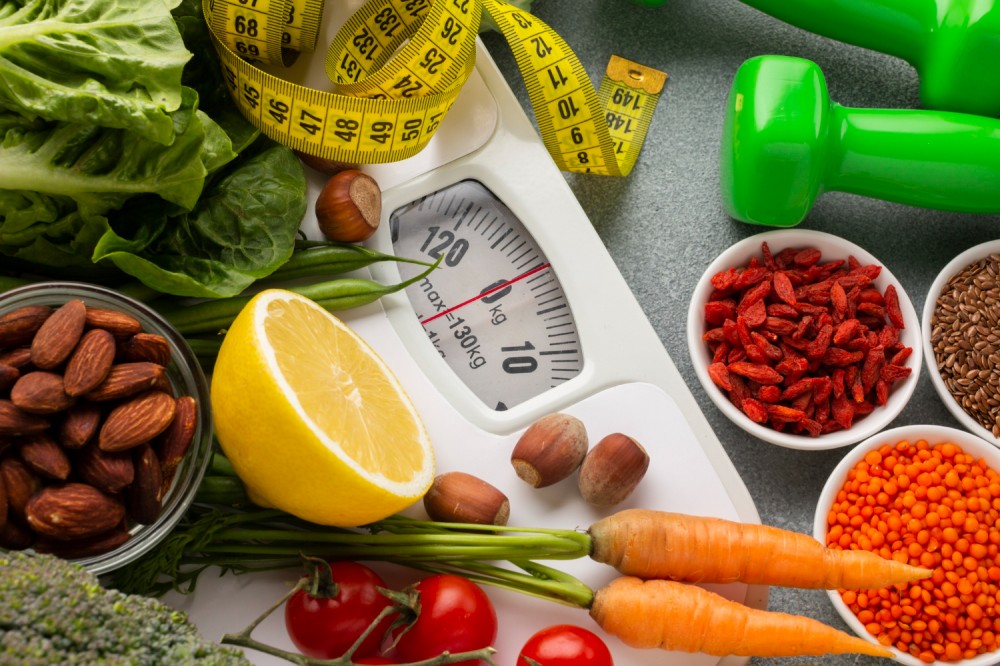
Weight loss is one of the most discussed health topics today. With countless diets, detoxes, and “quick-fix” solutions available, it can be difficult to know what truly works. In reality, sustainable weight loss is based on one fundamental principle:
calorie balance.
If you are overweight, losing excess weight may help reduce the risk of health conditions such as:
The good news is that small, consistent lifestyle changes can make a meaningful difference over time.
What Is a Calorie Deficit?
Your body requires energy (calories) every day to function, even while resting.
Calories are used to:
This basic energy requirement is known as your: Basal Metabolic Rate (BMR)
On top of this, your body burns additional calories through:
A calorie deficit happens when you consistently consume fewer calories than your body uses.
When this occurs, the body begins using stored fat as energy, leading to gradual weight loss.
Simply put: sustainable weight loss happens when calorie output is greater than calorie intake over time.
Why Extreme Dieting Often Fails
Many people attempt rapid weight loss through:
While these methods may produce fast initial results, they are often difficult to maintain long term. Overly restrictive dieting may lead to:
Healthy weight management is not about eating as little as possible — it is about creating a realistic and sustainable calorie deficit.
Understanding Metabolism
Metabolism refers to how your body converts food into energy.
Several factors can influence metabolism, including:
While metabolism is often blamed for weight gain, lifestyle habits usually play a much larger role in long-term calorie balance. Supporting metabolic health through:
✔ regular movement
✔ adequate protein intake
✔ resistance exercise
✔ quality sleep
✔ stress management
can help make weight loss more sustainable.
Blood Sugar and Appetite Control
Blood sugar balance also plays an important role in weight management.
Meals high in sugar or refined carbohydrates may cause rapid spikes and drops in blood sugar levels. This can contribute to:
Balanced meals containing:
may help maintain steadier energy levels and improve satiety.
Some individuals also choose nutritional supplements designed to support metabolic balance and healthy glucose metabolism, such as formulations found in products like Biofizz Diareduce or Biofizz Slendacor. These products are generally used as complementary support alongside proper diet and exercise — not as replacements for healthy lifestyle habits.

What Actually Works for Sustainable Weight Loss?
Aim for a small daily calorie reduction (approximately 300–500 kcal per day). Slow and steady progress is generally more sustainable.
Protein helps:
Weight management does not always require intense workouts.
Simple activities such as:
can significantly contribute to calorie expenditure.
Maintaining muscle mass is important for long-term metabolic health and healthy aging.
Poor sleep may affect hormones related to appetite and cravings, making weight management more challenging.
Small healthy habits repeated consistently are often more effective than short periods of extreme dieting.
Weight Loss Is a Long-Term Journey
Healthy fat loss typically occurs gradually, often around - 0.5–1 kg per week, depending on the individual.
The goal should not only be weight reduction, but also:
✔ maintaining energy levels
✔ preserving muscle mass
✔ improving metabolic health
✔ building sustainable habits
Long-term success comes from creating a lifestyle that is realistic and maintainable.
There is no magic solution for weight loss. However, understanding how calorie deficit works can make the process much clearer and more achievable.
A combination of:
remains the foundation of sustainable weight management.
For some individuals, structured meal planning and supportive supplementation may help improve consistency and adherence. For others, focusing on healthier lifestyle habits alone may already provide meaningful results.
Ultimately, the best approach is one that you can maintain not just for weeks, but for years.


Subscribe for our latest news and be the first to know about our offers.


