What to Eat During Puasa to Avoid Gastric and Stomach Pain
March 11, 2026
|
HTM Pharmacy
Many people experience gastric pain, stomach discomfort, or bloating during puasa (fasting). This happens because the stomach is empty for many hours, which can increase stomach acid production.
Common symptoms during fasting include:
Gastric pain
Heartburn
Bloating
Acid reflux
Stomach discomfort
By choosing the right foods during sahur and iftar, you can reduce the risk of gastric during puasa and keep your stomach comfortable throughout the day.
1. Never Skip Sahur
One of the most common causes of gastric during Ramadan fasting is skipping sahur.
When you skip sahur, your stomach stays empty for too long, which may increase stomach acid and cause sakit perut masa puasa.
Try to eat balanced foods during sahur such as:
Oats or whole grain cereals
Whole grain bread
Eggs
Yogurt
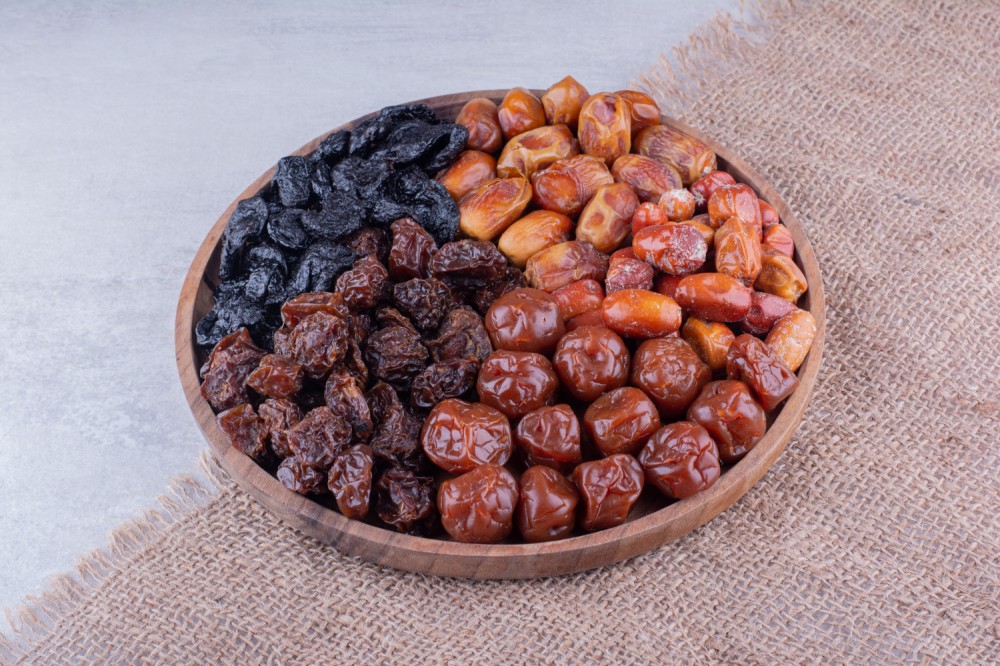
Bananas or dates
These foods release energy slowly and help protect your stomach lining.
2. Break Fast Slowly During Iftar
Many people feel very hungry when breaking fast and tend to eat too fast or too much. This can lead to bloating, stomach pain, or acid reflux.
A healthier way to break your fast:
Start with dates and water
Eat light foods such as soup or fruits
Wait a few minutes before eating heavier meals
This allows your digestive system to adjust after a long fasting period.
3. Avoid Spicy, Oily, and Acidic Foods
Certain foods can worsen gastric symptoms during fasting.
Try to reduce foods such as:
Spicy dishes
Deep fried food
Oily meals
Carbonated drinks
Very sour or acidic foods
These foods can irritate the stomach and trigger heartburn or gastric pain.
Instead, choose lighter foods like:
Grilled chicken or fish
Vegetables
Rice or porridge
Soup-based meals
4. Drink Enough Water Between Iftar and Sahur
Not drinking enough water can worsen digestive discomfort during Ramadan.
A simple hydration method is the 2-4-2 rule:
2 glasses of water during iftar
4 glasses between iftar and sahur
2 glasses during sahur
Avoid excessive sweet drinks, soda, or caffeinated beverages, as they may cause bloating and worsen gastric symptoms.
5. Consider Gastric Relief Products
Some people may still experience gastric pain or acid reflux during fasting even with proper diet.
You may consider over-the-counter gastric relief products available at pharmacies, such as:
Antacid tablets
Liquid antacid
Probiotics for digestion
Digestive supplements
These products may help relieve symptoms such as:
Stomach acid
Heartburn
Bloating
Indigestion
If gastric symptoms happen frequently, it is advisable to consult a pharmacist or doctor.
Final Tips to Prevent Gastric During Puasa
To avoid gastric pain during fasting, remember these simple tips:
✔ Do not skip sahur ✔ Break fast slowly ✔ Avoid spicy and oily foods ✔ Drink enough water ✔ Consider gastric relief products if needed
Taking care of your stomach allows you to fast comfortably and stay energized throughout Ramadan.