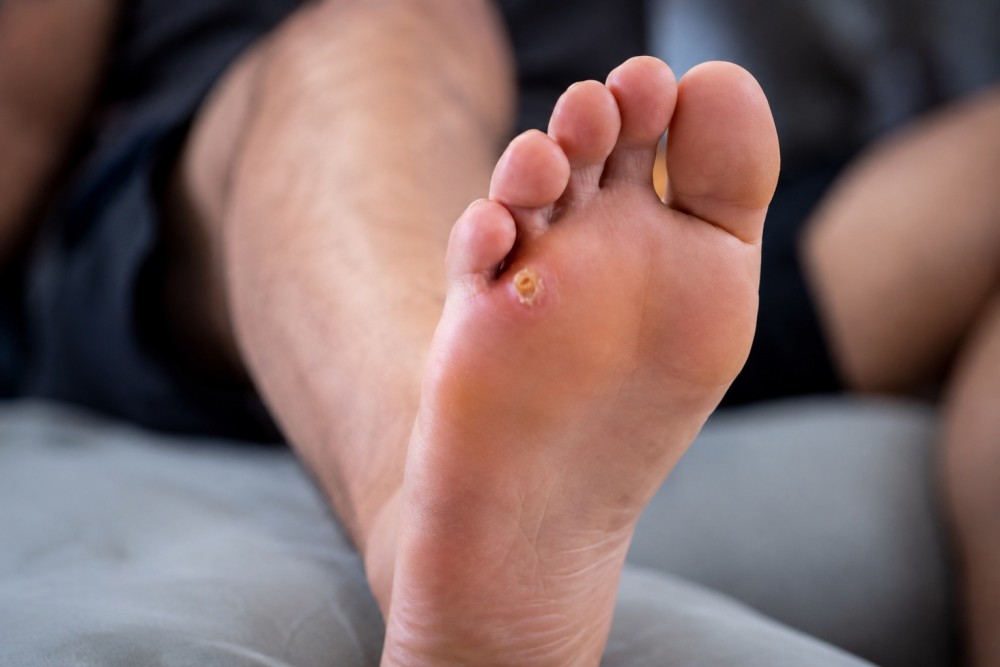
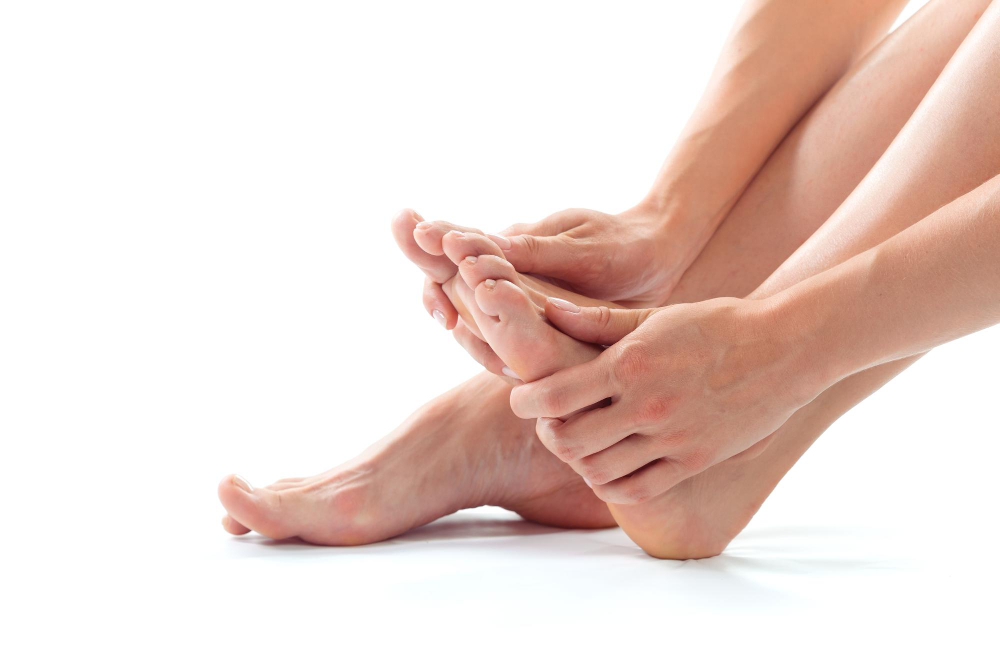
A corn on the foot may look small, but it can cause considerable discomfort when walking or wearing shoes. It usually develops when repeated pressure or friction causes an area of skin to become thick and hardened.
Corns are common and often manageable with appropriate foot care. However, it is important to understand what causes them and when professional advice may be needed.
What is corn?
A corn is a small, concentrated area of thickened skin. It commonly appears on:
The tops or sides of the toes
Between the toes
The soles of the feet
Areas affected by repeated pressure
Corns may feel hard, rough or tender. Some have a central core that can feel painful when pressed.
A corn is different from a callus. Calluses are usually larger areas of thickened skin, while corns tend to be smaller and more focused.
What causes corn?
The most common cause of corn is repeated friction or pressure. This may happen because of:
Tight or narrow shoes
Shoes that rub against the toes
High heels
Thin or poorly cushioned footwear
Long periods of standing or walking
Toe deformities or unusual pressure points
If the source of pressure continues, the corn may remain or return after treatment.
How can you relieve a painful corn?
The first step is to reduce pressure on the affected area. You can try:
Wearing wide, comfortable shoes
Choosing shoes with soft soles and enough toe space
Wearing cushioned socks
Using soft insoles or protective padding
Keeping the skin moisturised
Soaking the foot in warm water to soften hard skin
Do not cut or shave a corn yourself with a blade. This may damage the skin and increase the risk of infection.
What is a corn cap?
A corn cap, also known as a corn plaster or medicated corn plaster, is placed over a corn to help protect it from friction and pressure.
Some corn caps contain salicylic acid, an ingredient that helps soften and remove thickened skin over time. Many also include a cushioned or foam ring around the medicated area to reduce direct pressure on the corn.
Always follow the instructions supplied with the product. The medicated part should be applied only to the corn and kept away from healthy surrounding skin.
When should you avoid self-treating a corn?
Medicated corn products may irritate healthy skin. Speak to a doctor, pharmacist or podiatrist before treating a corn yourself if you have:
Diabetes
Poor circulation
Reduced sensation or nerve problems
A history of foot ulcers
Very sensitive or fragile skin
Do not apply a corn cap to broken, bleeding, inflamed or infected skin. It should also not be used on a skin growth, mole or birthmark unless advised by a healthcare professional.
Is it corn or a wart?
Corns are usually caused by pressure and friction. Warts are caused by a viral infection and may have a different appearance.
If you are unsure what the skin lesion is, or if it continues to grow or cause pain, ask a healthcare professional for an assessment before using a corn-removal product.
How can you prevent corn?
Preventing repeated pressure is the best way to reduce the chance of corn coming back.
Try to:
Choose comfortable shoes with a wide toe box
Avoid footwear that rubs or squeezes the toes
Replace worn-out shoes
Use cushioning where pressure commonly occurs
Moisturise dry skin regularly
Check your feet for early signs of rubbing or thickened skin
When should you seek medical advice?
Consult a healthcare professional if the corn is very painful, keeps returning or does not improve with basic foot care.
You should also seek advice if you notice redness, swelling, warmth, bleeding, pus or worsening pain. People with diabetes or circulation problems should seek professional guidance rather than treating foot corns independently.
A suitable corn-care option
For people who are suitable for self-care, Esential Medicated Corn Cap Plaster is one option to consider. It combines a medicated area intended to support corn removal with a surrounding foam ring designed to help reduce pressure.
Before use, read the packaging instructions carefully. If you are uncertain whether it is appropriate for you, speak with a pharmacist or healthcare professional.
A corn may be small, but addressing the pressure that caused it is an important part of long-term foot comfort.