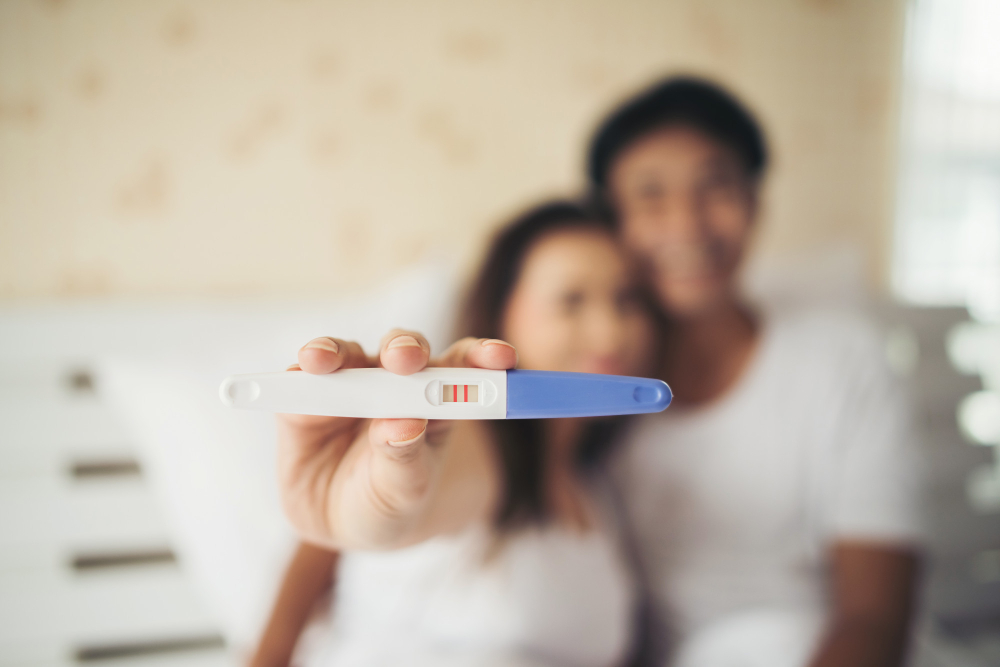
Deciding to start a family is an exciting milestone, but for many couples, becoming pregnant may take longer than expected. While some conceive within the first few months, others may need more time, even when both partners are healthy.
Trying to Conceive (TTC) is more than simply stopping contraception. Preparing your body before pregnancy, understanding your fertile window, adopting healthy lifestyle habits, and addressing any underlying medical conditions can significantly improve your chances of conception and support a healthier pregnancy.
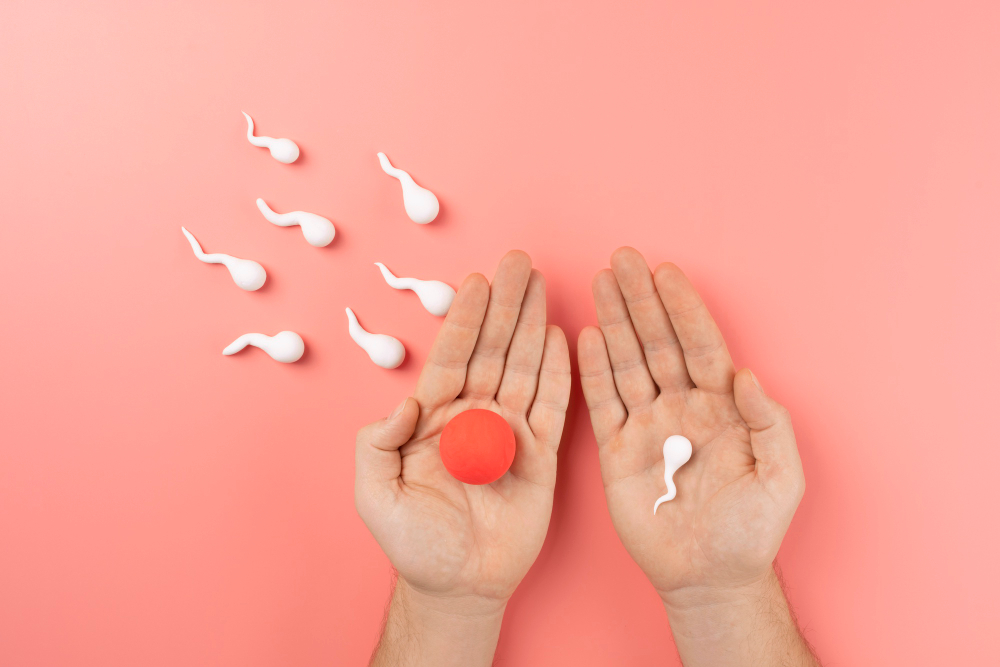
Trying to Conceive (TTC) refers to the period when a couple is actively attempting to become pregnant through regular, unprotected sexual intercourse. Pregnancy occurs when a sperm successfully fertilises an egg released during ovulation, followed by implantation of the fertilised egg into the lining of the uterus.
For healthy couples under the age of 35, approximately 80–85% will conceive naturally within one year of regular, unprotected intercourse. However, fertility depends on several factors, including age, overall health, lifestyle, and reproductive function in both partners.
It is important to remember that fertility is a shared responsibility. Around one-third of infertility cases are related primarily to female factors, one-third to male factors, and the remaining cases involve both partners or unexplained causes.
Knowing when ovulation occurs is one of the most effective ways to improve your chances of getting pregnant.
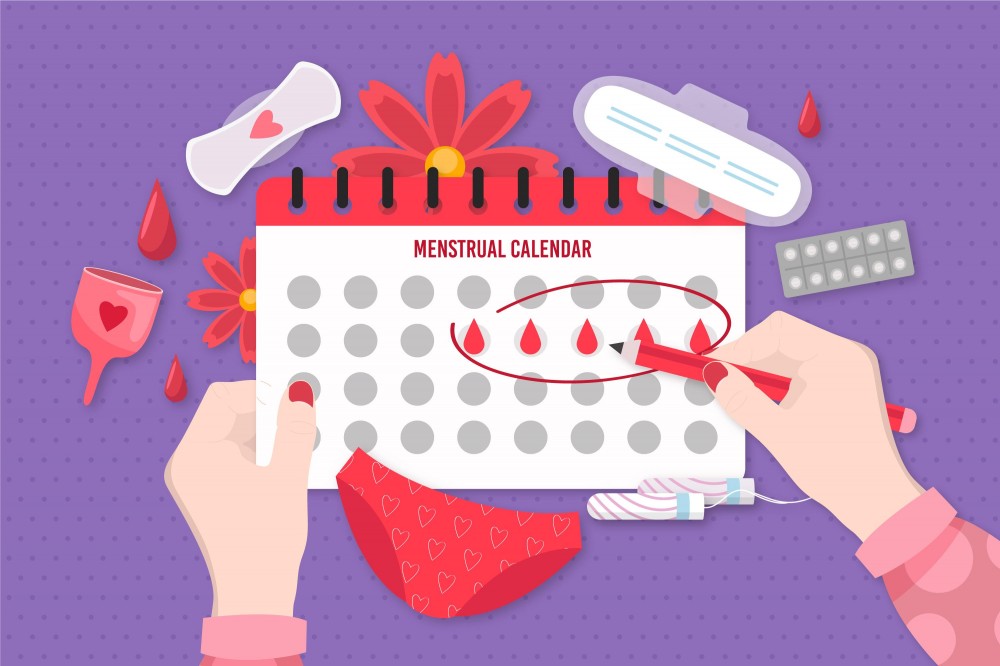
Ovulation is the release of a mature egg from the ovary, which typically occurs about 14 days before your next menstrual period in women with regular cycles. Once released, the egg survives for only 12 to 24 hours, while sperm can remain viable in the female reproductive tract for up to five days.
This means the fertile window includes the five days before ovulation, the day of ovulation, and possibly the following day.
Some women notice physical changes that indicate ovulation, including:
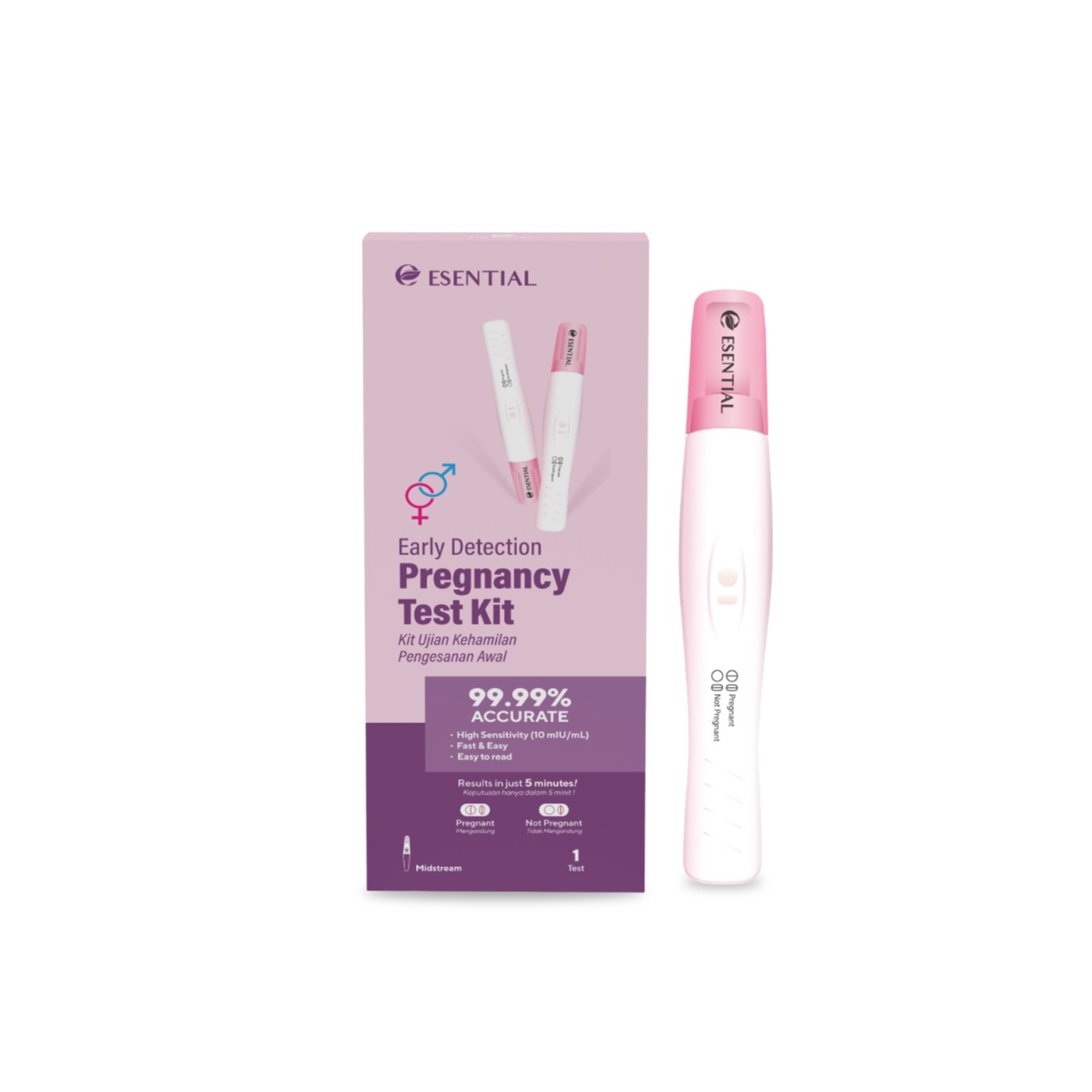
If your menstrual cycle is irregular, identifying ovulation may be more challenging. In these cases, tracking your cycle with a calendar or ovulation test kit, or consulting a healthcare professional, may be helpful.
Many couples wonder whether timing intercourse perfectly is necessary.
Current evidence suggests that having intercourse every one to two days throughout the fertile window provides the highest chance of conception. This approach ensures that healthy sperm are present when ovulation occurs without placing unnecessary pressure on timing.
Preconception health plays an important role in improving fertility and reducing pregnancy complications. Ideally, preparation should begin at least three months before trying to conceive.
Body weight can influence reproductive hormones, ovulation, and fertility.
Being overweight or obese may increase the risk of irregular ovulation, insulin resistance, gestational diabetes, and pregnancy complications. On the other hand, being underweight may also disrupt ovulation and menstrual cycles.
Even a modest weight loss of 5–10% in women who are overweight has been shown to improve ovulation and increase the likelihood of pregnancy.
There is no single "fertility diet," but a nutritious eating pattern supports overall reproductive health.
Aim to include:
Limiting sugary drinks, highly processed foods, and excessive saturated fats may also support metabolic health.
Regular physical activity helps maintain a healthy weight, improves cardiovascular health, and supports hormone regulation.
Adults should aim for at least 150 minutes of moderate-intensity exercise each week, such as brisk walking, cycling, or swimming. However, excessive high-intensity exercise may negatively affect ovulation in some women, particularly if accompanied by inadequate calorie intake.
Smoking has been shown to reduce fertility in both men and women by affecting egg quality, sperm production, and reproductive function.
Alcohol consumption may also reduce fertility and should ideally be avoided once pregnancy is being planned.
Although stress alone does not directly cause infertility, chronic stress may influence hormone regulation and affect overall well-being.
Prioritising adequate sleep, regular exercise, relaxation techniques, and emotional support can contribute to better reproductive health.

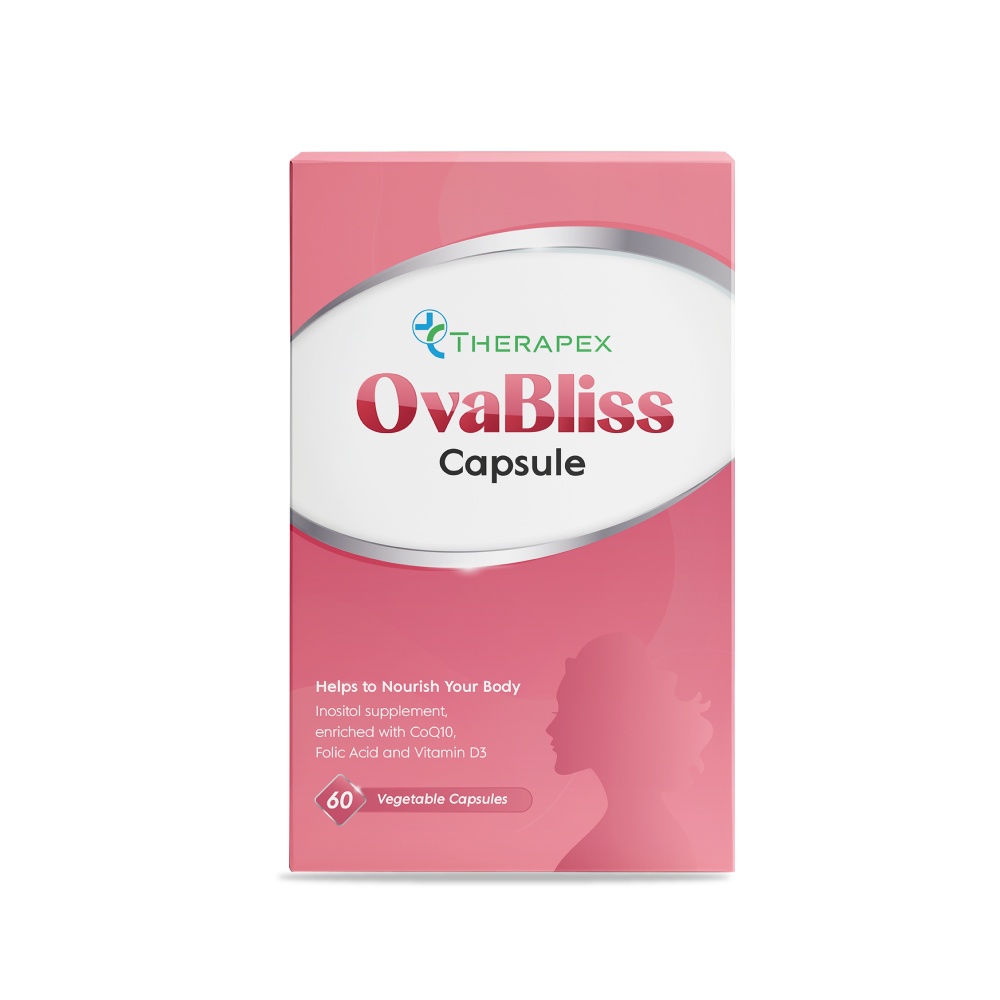
Nutritional deficiencies before conception may affect both maternal health and fetal development. Starting prenatal supplements before pregnancy ensures adequate nutrient stores during the earliest stages of fetal growth.
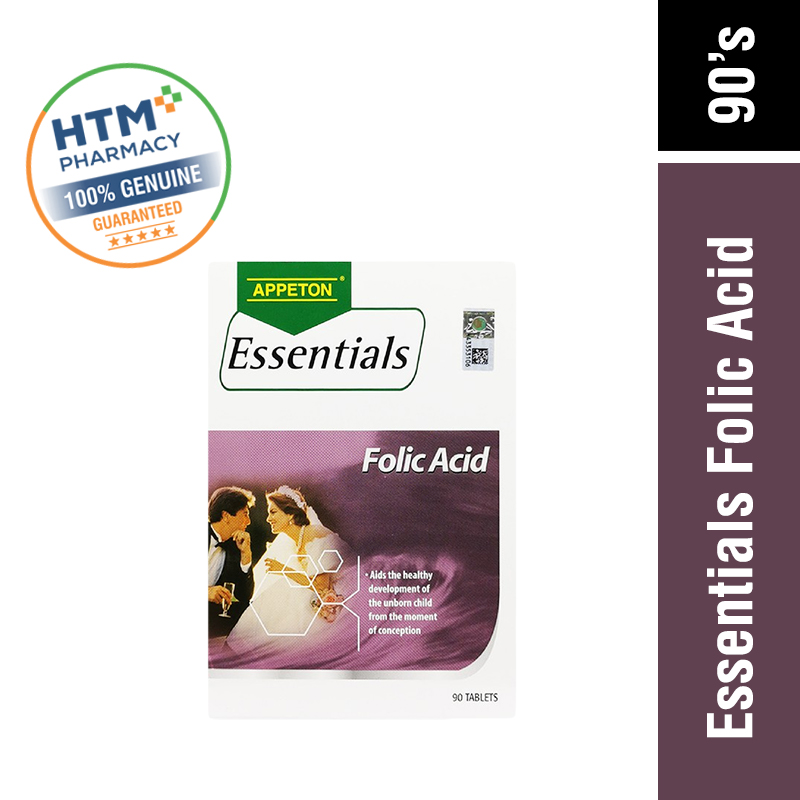
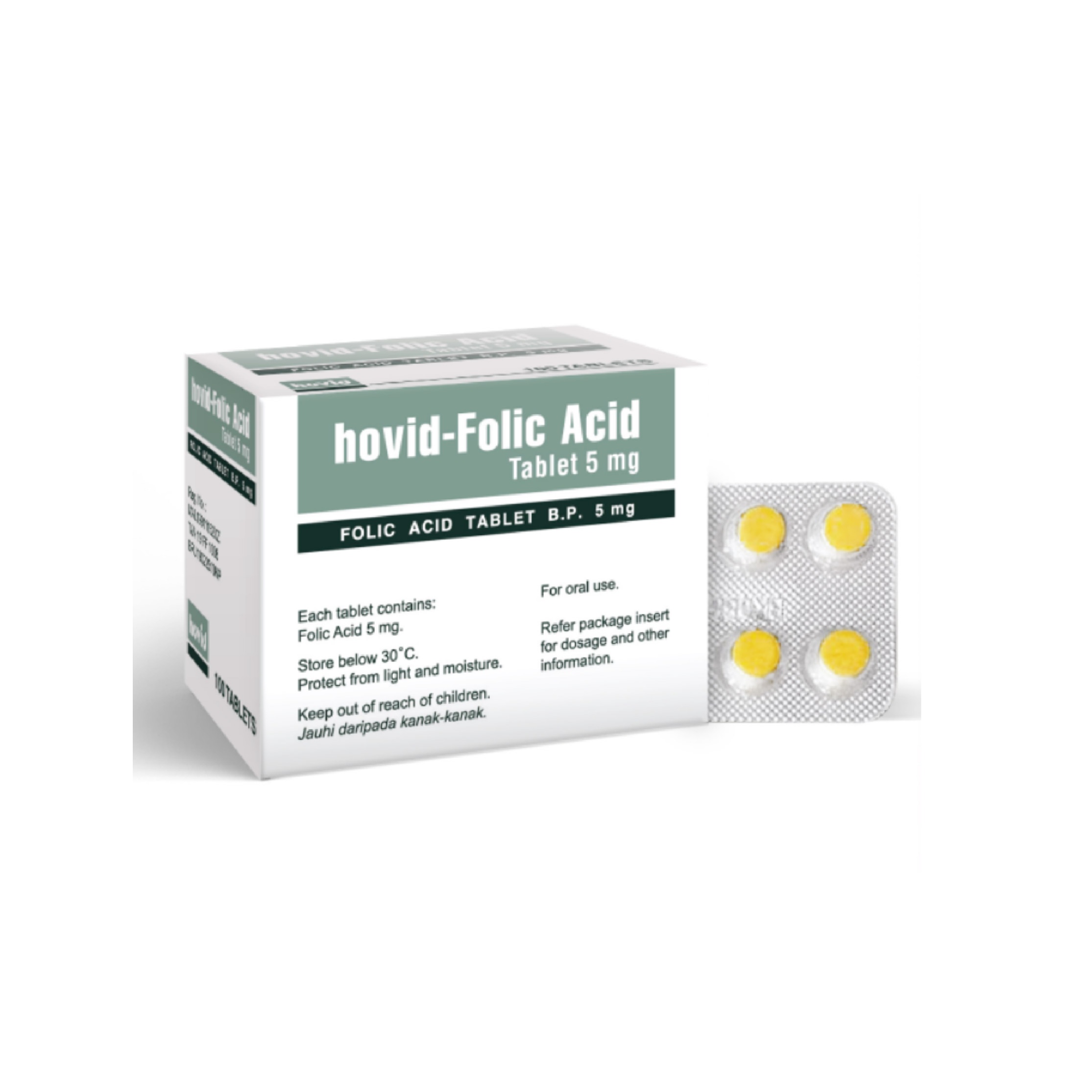
Folic acid is the most important supplement for women planning pregnancy.
It helps prevent neural tube defects, including spina bifida and anencephaly, which develop during the first few weeks of pregnancy—often before a woman knows she is pregnant.
Women planning pregnancy should take 400 micrograms (mcg) of folic acid daily, beginning at least one month before conception and continuing through the first trimester. Some women at higher risk, such as those with a previous pregnancy affected by a neural tube defect, may require a higher dose under medical supervision.
Vitamin D supports bone health, immune function, and may play a role in reproductive health. Women with limited sun exposure or known deficiency should discuss supplementation with their healthcare provider.
Adequate iodine intake is essential for thyroid hormone production and supports the baby brain and nervous system development during pregnancy.
Iron helps prevent iron deficiency anaemia and supports increased blood production during pregnancy. Women with heavy menstrual bleeding or low iron stores may require supplementation.
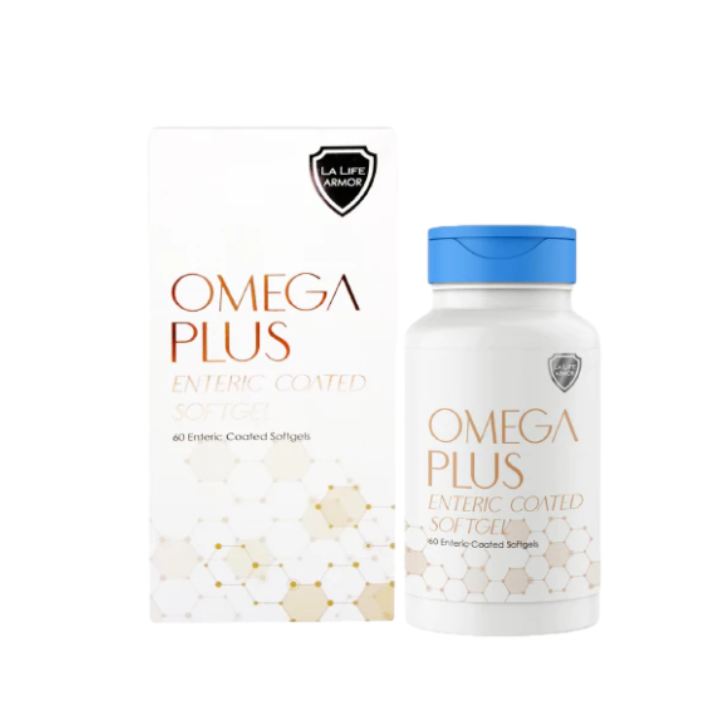
DHA is an omega-3 fatty acid that contributes to normal fetal brain and eye development. Although it is most important during pregnancy, ensuring adequate intake before conception is also beneficial.
Before starting any supplement, speak with your doctor or pharmacist to ensure it is appropriate for your individual health needs.
Certain medical conditions may make conception more challenging. Identifying and managing these conditions early can improve fertility outcomes.
Examples include:
PMOS or known as PCOS is one of the most common hormonal conditions affecting women of reproductive age and may cause irregular ovulation. However, many women with PMOS successfully conceive naturally or with appropriate treatment. If you have already been diagnosed with PMOS or experience irregular menstrual cycles, discuss your pregnancy plans with your healthcare provider before trying to conceive.
Male factors, including reduced sperm count or poor sperm quality, may also contribute to fertility challenges. Therefore, both partners should be included when evaluating fertility.
Many people assume that over-the-counter medicines and herbal supplements are always safe when trying to conceive. However, some medications may affect fertility or should be avoided before or during pregnancy.
A pharmacist can help you:
If you have chronic conditions such as diabetes, hypertension, asthma, epilepsy, or thyroid disease, it is important to review your medications before becoming pregnant.
Although many couples conceive naturally within a year, medical evaluation is recommended if:
Seeking advice early can help identify treatable causes and improve the likelihood of a successful pregnancy.
Frequently Asked Questions
Yes, although irregular periods may indicate irregular ovulation. It is advisable to consult a healthcare professional to determine the underlying cause.
Most healthy couples conceive within one year of regular, unprotected intercourse, although the timeline varies between individuals.
Yes. Healthy lifestyle habits, balanced nutrition, and management of medical conditions are important for both men and women.
Folic acid should ideally be started at least one month before conception and continued throughout the first trimester.
Yes. Female fertility gradually declines with age, particularly after 35 years, due to a natural decrease in both the number and quality of eggs. Male fertility may also decline with age, although the effect is generally less pronounced.
Trying to conceive is an exciting journey, but it is also an opportunity to invest in your future health and the health of your baby. Understanding your fertile window, adopting healthy lifestyle habits, taking the right prenatal supplements, and addressing any underlying medical conditions can all contribute to improving fertility and supporting a healthy pregnancy.
If you have questions about fertility, pregnancy planning, or prenatal supplements, speak with your doctor or pharmacist. Early preparation and personalised medical advice can make a meaningful difference as you begin your journey toward parenthood.


Subscribe for our latest news and be the first to know about our offers.